Renting or owning decides which of these ideas is realistic: a plug-in sconce on a hook or a curtain on a tension rod leaves the deposit alone, while a Murphy bed anchored into studs, a hardwired light or a wall-mounted pot rail needs a landlord’s yes or a pro.
Check the lease first, then pick from the ideas that leave the walls untouched.
1. Storage in Your NYC Apartment
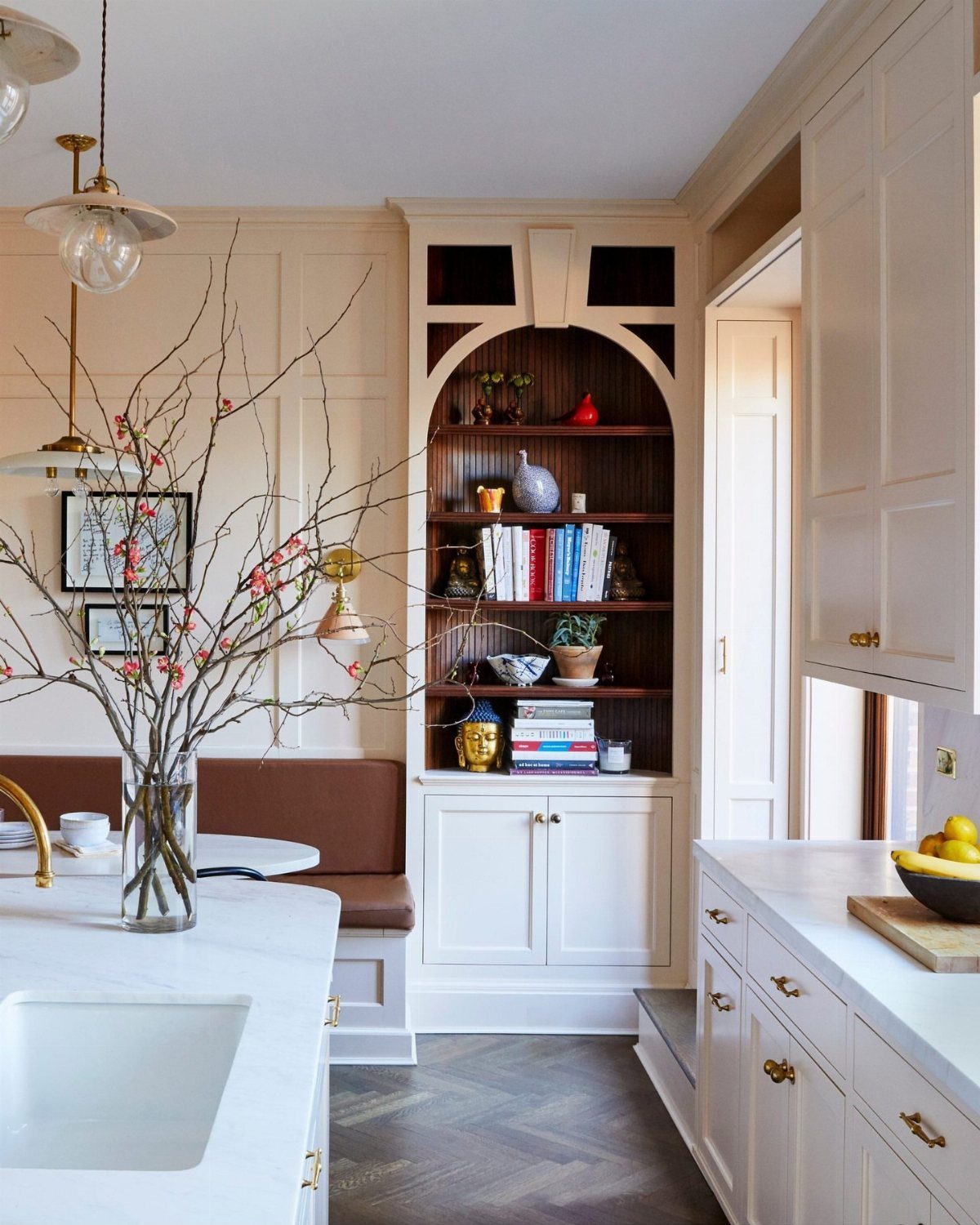
A built-in hutch like this one does the work of a sideboard, a bookcase and a pantry cabinet in a single footprint.
Closed doors below hide the clutter, and open shelves above are best saved for the pieces you actually like looking at.
In a rental, a freestanding unit pushed against one wall gets you most of the way there. Pick one that runs close to the ceiling, since vertical space is the only kind a small apartment has extra of.
Pairing it with a banquette that has storage under the seat is the move I’d make first.
Living small is par for the course in New York City, but accommodating a family of four in under 700-square-feet rarely looks as effortless as in this storage-smart renovation.
— Dwell
2. Murphy Beds
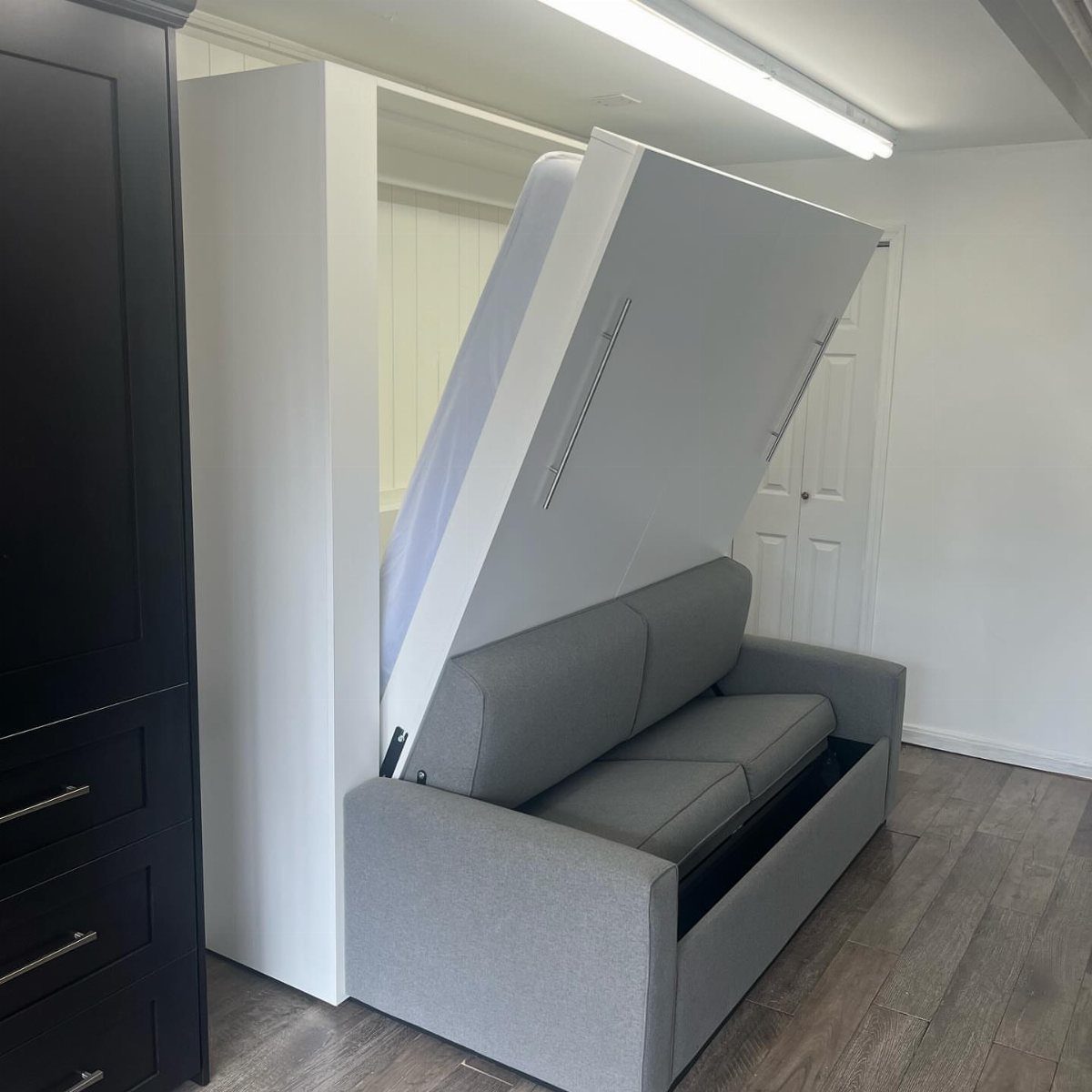
Folding the bed up into the wall means the room is a living room all day and a bedroom only when you need it.
That’s the whole appeal, and in a studio it can be the difference between a sofa and no sofa.
My preference is a unit that wraps the bed in cabinetry, like this white one, so the closed bed reads as built-in storage. Keep the sofa low beneath it so nothing collides when the bed comes down.
Budget for professional wall mounting, because the bed has to anchor into studs. Renters should check the lease first.
3. Sconces and Wall-Mounted Lights
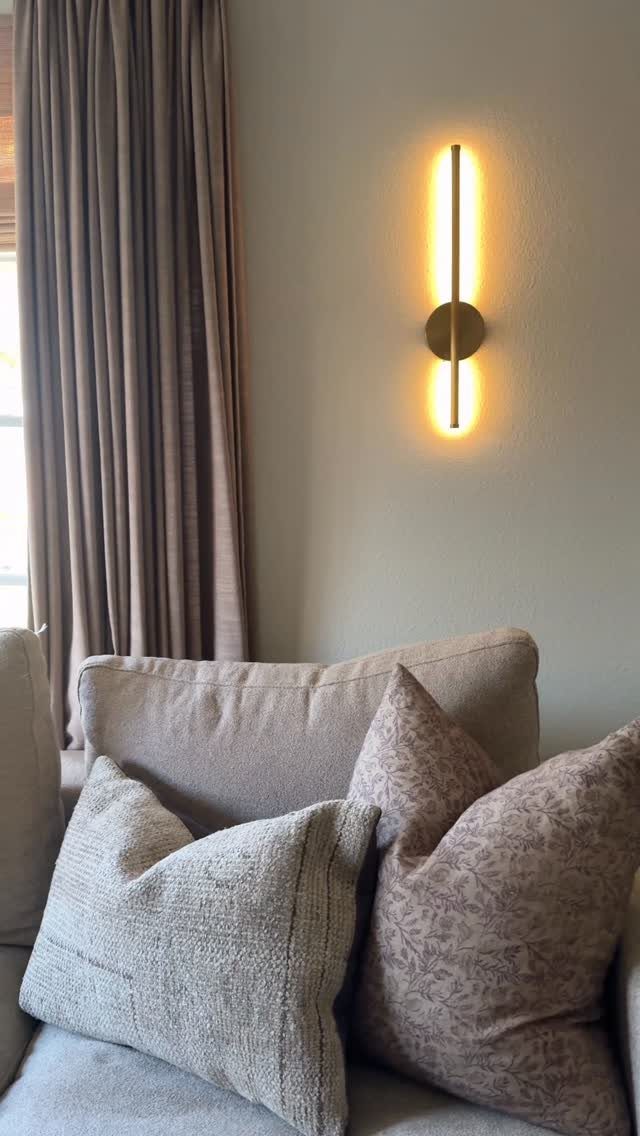
Mounting a light on the wall frees up the side table, and in a tight living room that surface is worth more than a lamp.
A tall, narrow sconce, like a gold one, pulls your gaze up the wall, which makes the ceiling feel higher.
Renters can choose plug-in versions that hang from a hook, with the cord tucked under a cord cover painted to match the wall. Hardwired ones need an electrician.
Place the sconce above the sofa rather than beside it, so the light washes the wall and still reaches the page when you read.
4. Light Colors on Walls
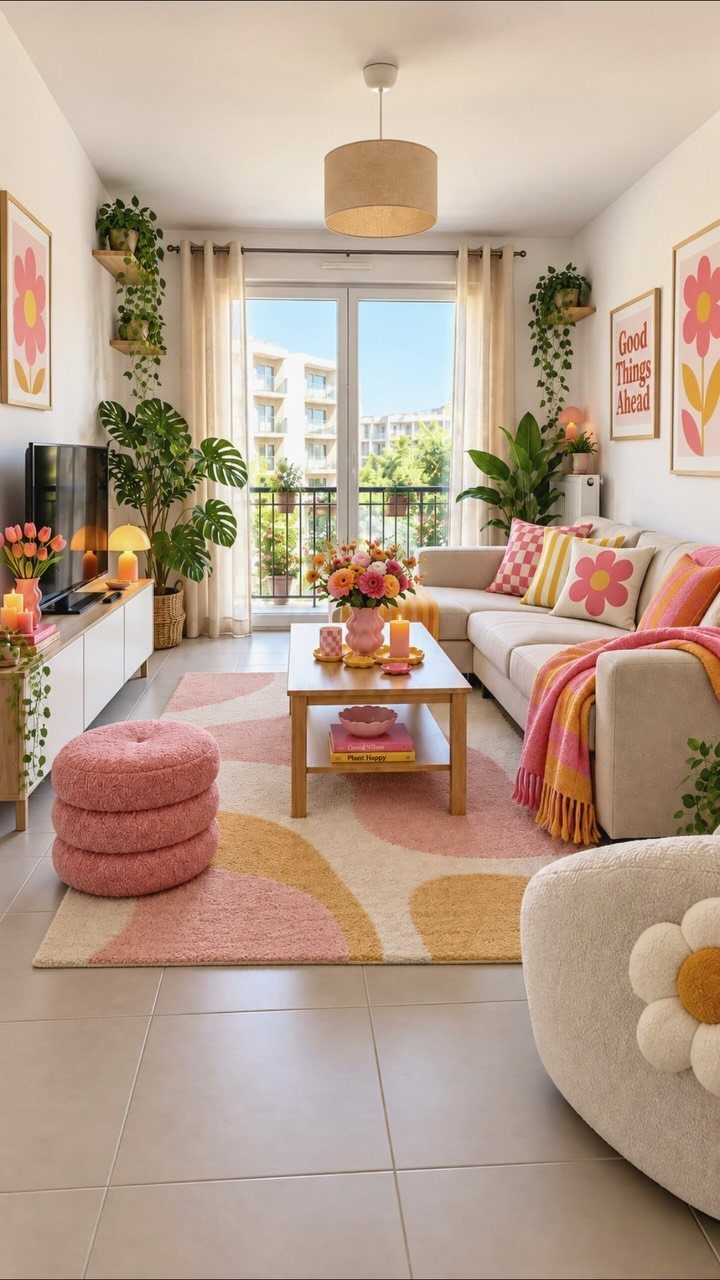
White walls bounce light around a compact space, so the corners recede and the whole place reads as larger.
Pairing them with a beige sofa keeps the palette quiet enough that a pink and yellow rug can carry all the color.
I’d keep the big pieces pale and put the personality in things you can swap: rugs, plants, pillows, a sign. That works for renters, since nothing touches the paint.
Pick a warm white over a stark one, or north-facing rooms can turn cold and flat.
5. Curtains to Separate Areas
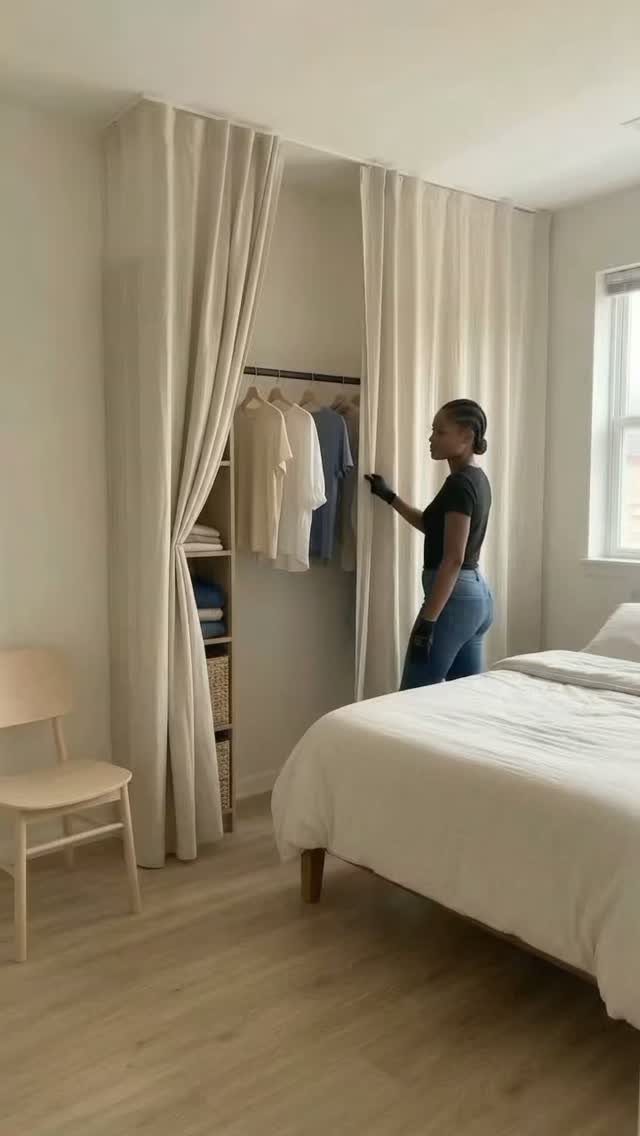
A curtain on a ceiling-height rod turns a corner of the room into a closet, with no walls and no hardware beyond the rod itself. Here it hides a clothing rack and a shelving unit beside the bed.
Hang the rod as high as it will go and use fabric that reaches the floor; the long vertical line makes the room look taller.
A beige curtain like this one blends with the walls instead of chopping the room into pieces.
A tension rod can work in a doorway-width alcove, so a rental deposit stays safe.
6. Narrow Galley Kitchen Layout
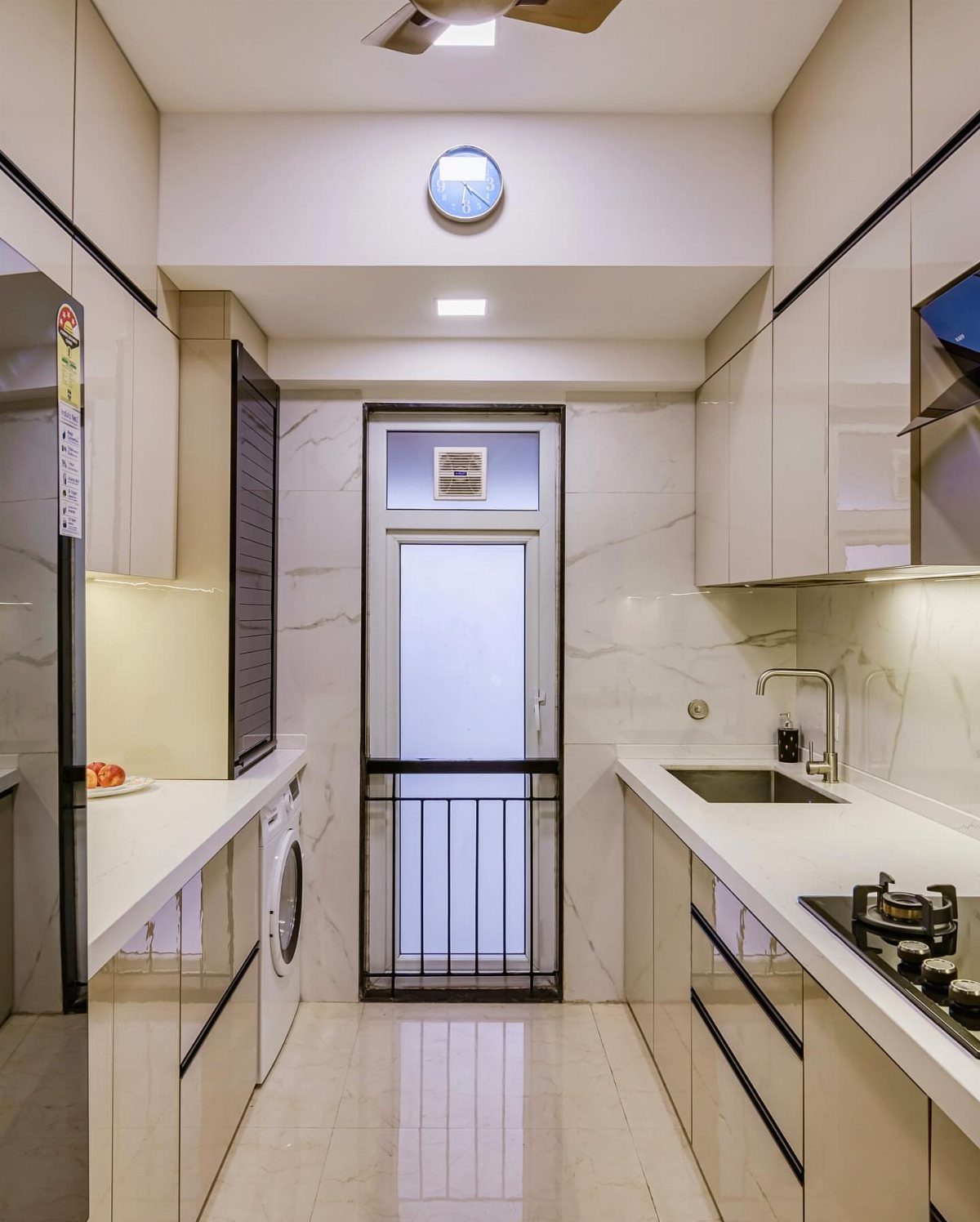
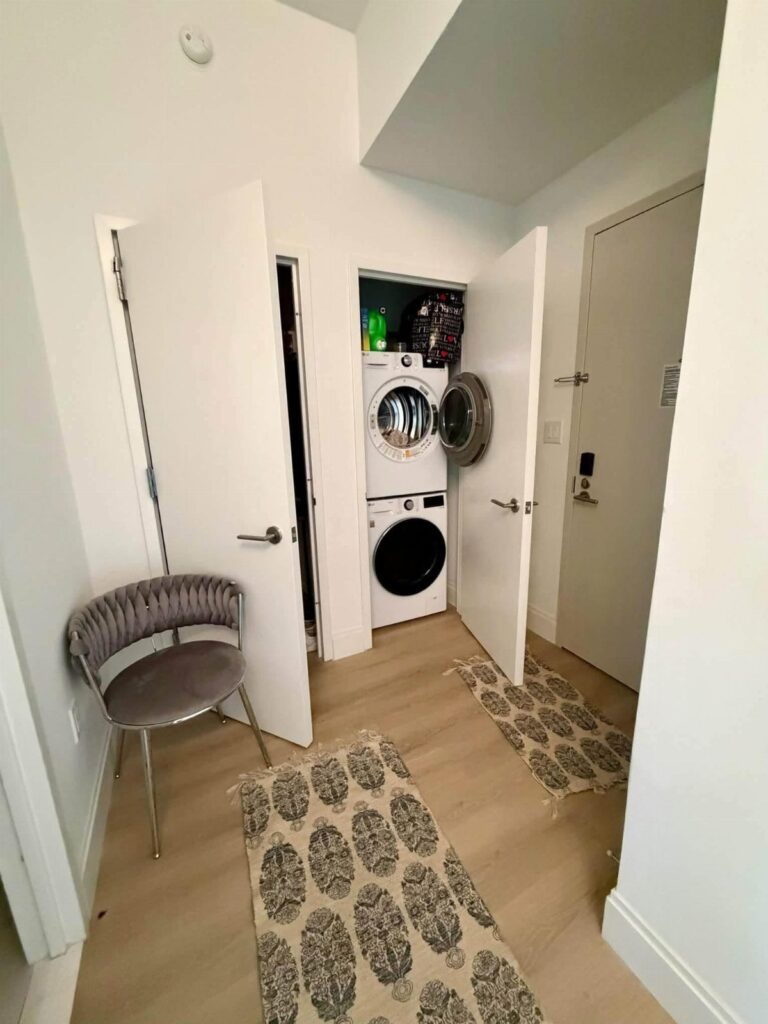
In a galley kitchen, the walkway is the whole design problem. Keeping appliances under the counter, like the built-in washing machine here, leaves the walls clear and the path open from one end to the other.
Choose slim, flat-front cabinet doors in a light tone, since handles that stick out snag hips in a narrow aisle. White counters with beige cabinetry keep the run calm and bright.
A door at the far end helps too: it pulls the eye down the room and makes the length look intentional.
7. Hanging Pot Rails
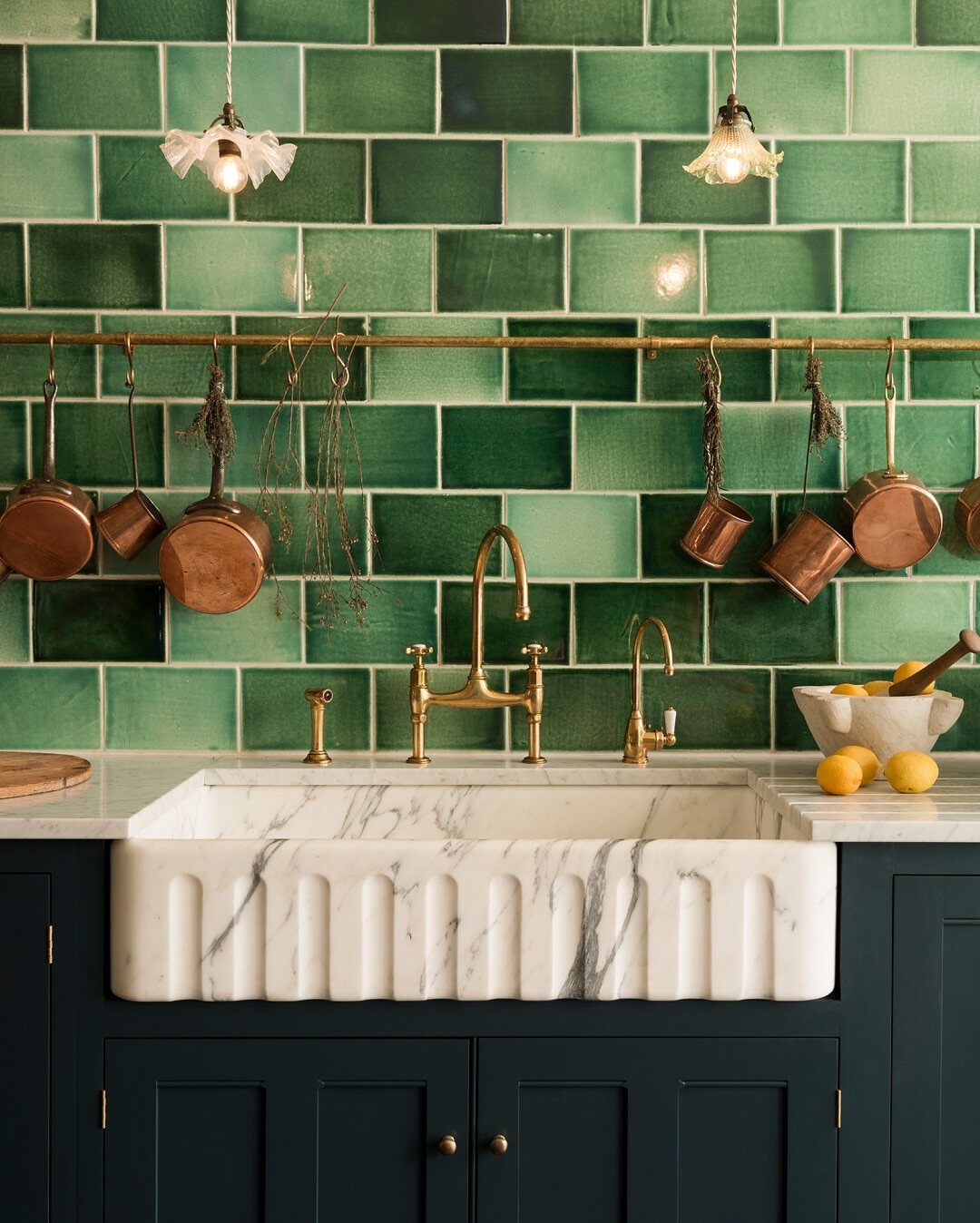
A brass rail mounted on the wall pulls pots, ladles and whisks out of the cabinets, which matters in a kitchen where every shelf is already spoken for.
If your cookware is copper or enameled cast iron, a rail turns storage into the best part of the backsplash.
Hang only what you use weekly, and keep the heaviest pan nearest the wall bracket. Position the rail within arm’s reach of the stove, so cooking never means crossing the room.
Renters can ask a landlord first, since the rail needs screws. Without permission, a tension rod under a cabinet is the fallback.
8. Lofted Bed Over Living Area
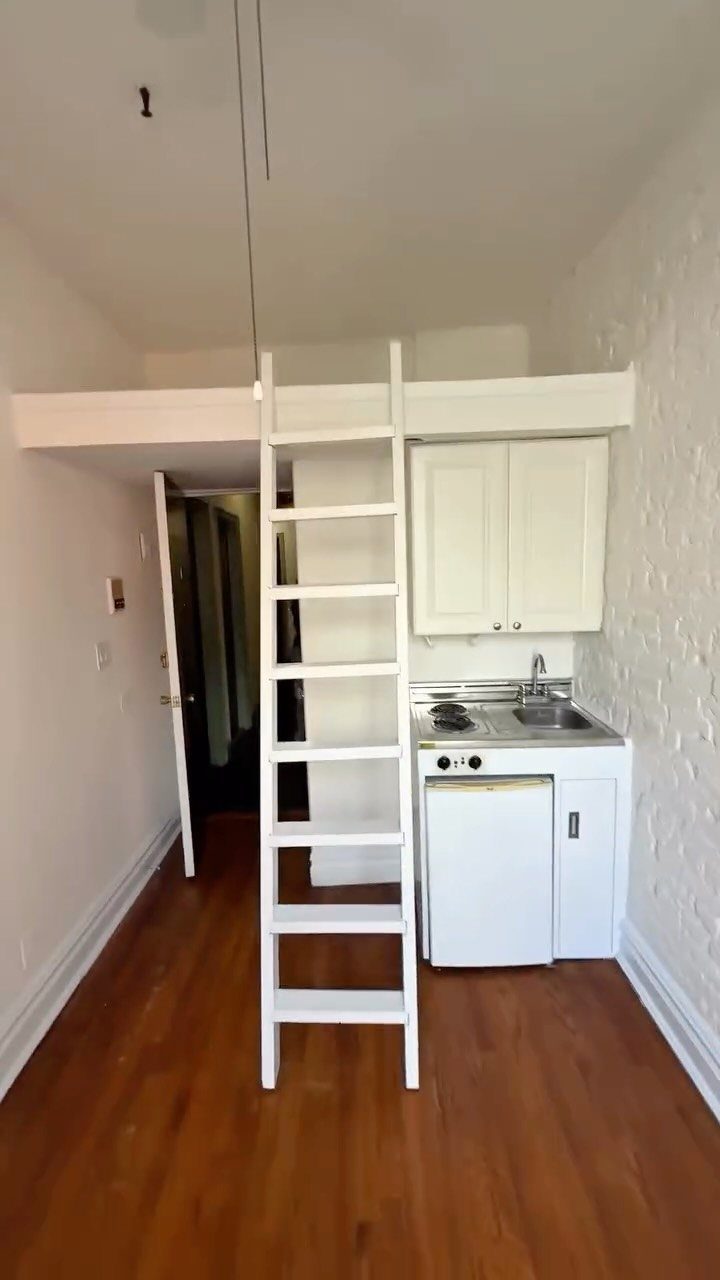
A ladder up to a sleeping loft gives a studio two rooms in one footprint: the bed lives overhead, and the floor below stays free for a kitchenette, a desk or a sofa.
White paint on the loft and ladder keeps the structure from feeling heavy.
A wooden ladder takes less floor than stairs, though climbing it at night is the price. I’d pick this setup for one sleeper who doesn’t mind the trip.
Check ceiling height before committing, because headroom in the loft decides whether it’s a bed or a crawl space.
9. Slim Pull-Out Pantry

A slim pull-out pantry turns a gap beside the stove or fridge into storage, with spices and jars sliding out into plain view instead of vanishing behind the front row of a deep cabinet.
Choose a rack with several tiers, and sort what goes on it by height: small spice jars up top, taller bottles and jars below. Everything stays visible, so duplicates stop piling up.
Measure the opening before buying, and leave room for the rack to roll past door edges and handles. In a compact kitchen, this is the storage upgrade I’d put first.
Maximizing Small Spaces
Furniture that does 2 jobs frees more floor than any single storage trick.
A tray on an ottoman works as a side table, and a low cabinet on casters can be a TV console one day and a desk surface the next.
Floating shelves on simple brackets hold books and decor without eating floor space. Corner shelving wins here, since corners are the emptiest part of most rooms.
Mirrors and mirrored pieces bounce light around and make a room feel larger. Slim refrigerators and streamlined sofas also take up less visual weight than bulky ones.
The entryway needs a lighter hand. An entry bench, a side table and a coat rack can each jam the door, so I’d pick just one and leave a clear path from the threshold inward.
Tips for Small Kitchens
Bulky pots and pans belong on the wall nearest the stove, or on a ceiling-hung rack if the wall is spoken for.
Adjustable chains suit both high and low ceilings. A tension rod across a window frame holds a few pans and keeps them within reach without using any counter or cabinet space.
Cut the utensil drawer down to a basic set. One blender or food processor can stand in for a potato masher and a handful of other tools that only do one job.
Inside cabinets, lazy Susans and stacking shelves put the full height to use instead of just the bottom shelf. Vertical pull-out drawers handle jarred goods and cutting boards.
Swap the floor trash can for a smaller bin under the sink. A pull-out or under-sink bin frees up floor space and hides the trash.
Decorating Small Apartments
Stark white can turn cold and unwelcoming. Whites with a touch of gray, cream, green or pink hold warmth, and wood floors under them add to the glow.
Dark color still has a place. Keep about 60% of the space light, then use a dark accent wall, but never paint every wall dark.
If you love bold color, pick hues that appeal to you personally. Emerald green or deep blue can come in through accents, furniture or a single wall.
Lighting is part of the palette. Mounting sconces on either side of the bed clears the nightstand surface and the floor space a table lamp or floor lamp would take.
Frequently Asked Questions
How do you store clothes in a small apartment?
Start with the closet: add shelving inside, which can run under $100 at stores like The Container Store or Home Depot.
Put rarely used items like guest linens and seasonal clothes on the highest shelf, and hang a shoe rack on the door for shoes, belts, gloves and small accessories.
With no closet, a ceiling-height curtain can hide a clothing rack and shelving unit in a corner of the room, and a custom rolling rack from the Garment District costs around $100.
What are some hacks for small NYC apartments?
Use the walls and make each piece do 2 jobs. A Murphy bed is the other half of that idea: fold it up each morning and the bedroom goes back to being a living area.
Wall sconces free up the side table, and a pot rail clears the cabinets. Keep the entryway light: pick one item, such as a bench, a side table or a coat rack, so the door path stays clear.





