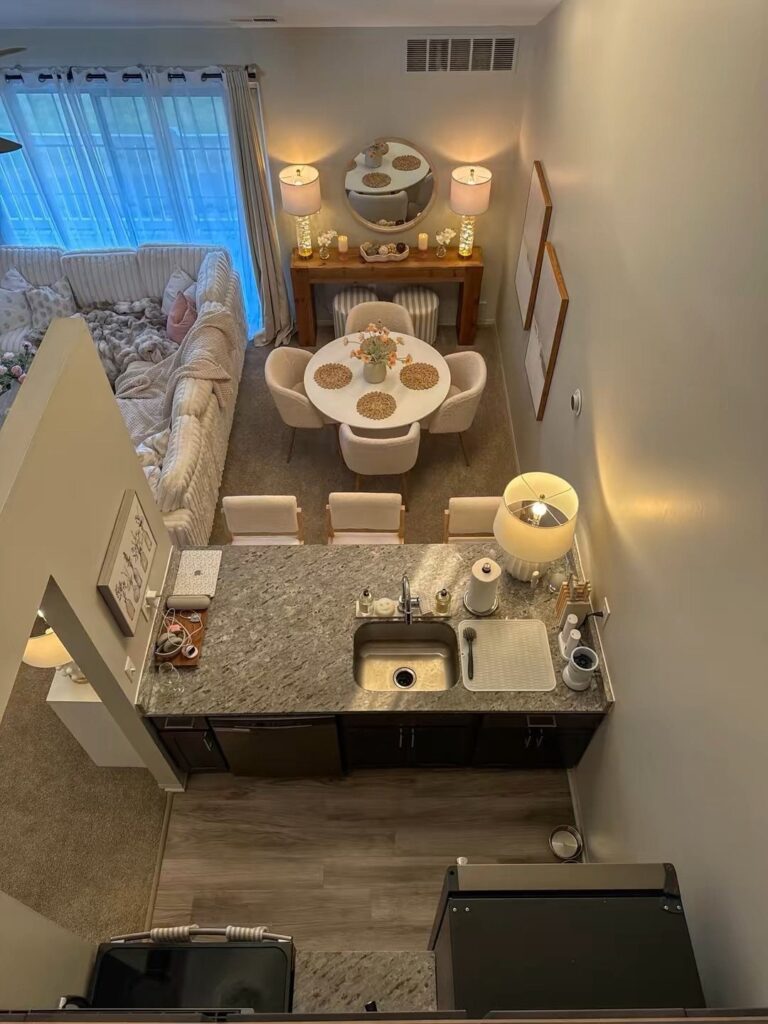
What you can change shapes which of these ideas fits: renters can lean on the glare and temperature tips, while anyone house-hunting can use the sections on finding apartments and common locations for large windows.
Before you commit to a place, stand in it during the hours you’re usually home, because a west-facing wall of glass at 5 p.m. feels very different from the same wall at noon.
1. Large Windows Brighten Living Spaces
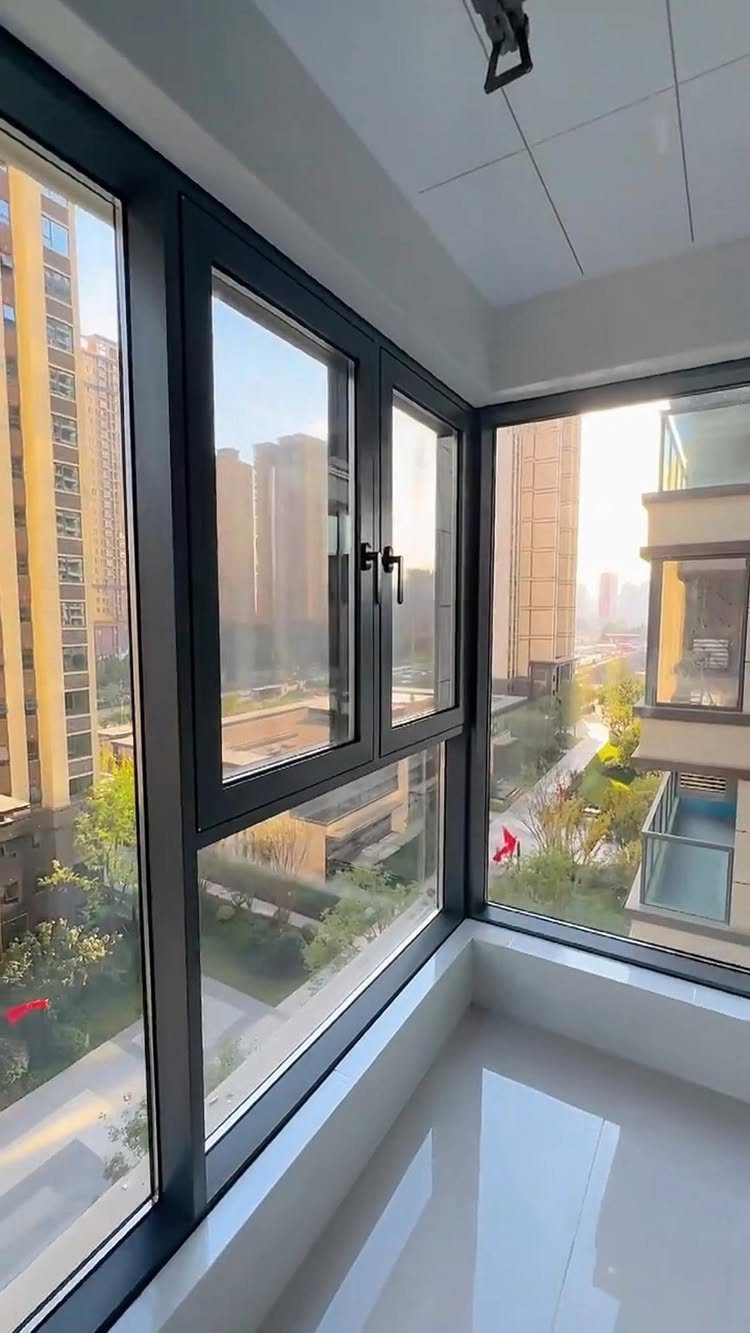
Large windows draw a clean outline around the view, so the skyline and the trees read like framed pieces of art.
A white, reflective floor like this one bounces daylight deeper into the room. If you rent and can’t change the floor, a pale rug and light walls get you part of the way there.
2. Window Wall Design
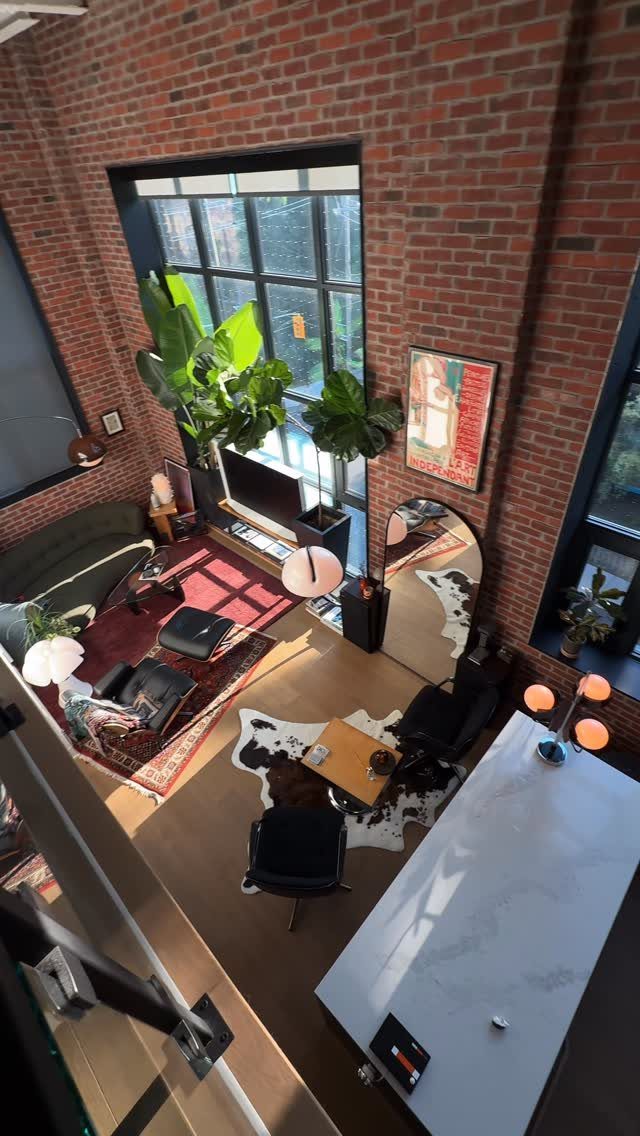
Floor-to-ceiling glass is often called a window wall, and old red brick makes a warm, textured partner for it. The brick gives the room warmth and texture, while the glass keeps it from feeling heavy.
I’d keep the furniture low and the rug simple so nothing competes with the wall. A cowhide rug and a single big poster are enough, and a renter can hang a poster without touching the brick.
3. Converted Lofts
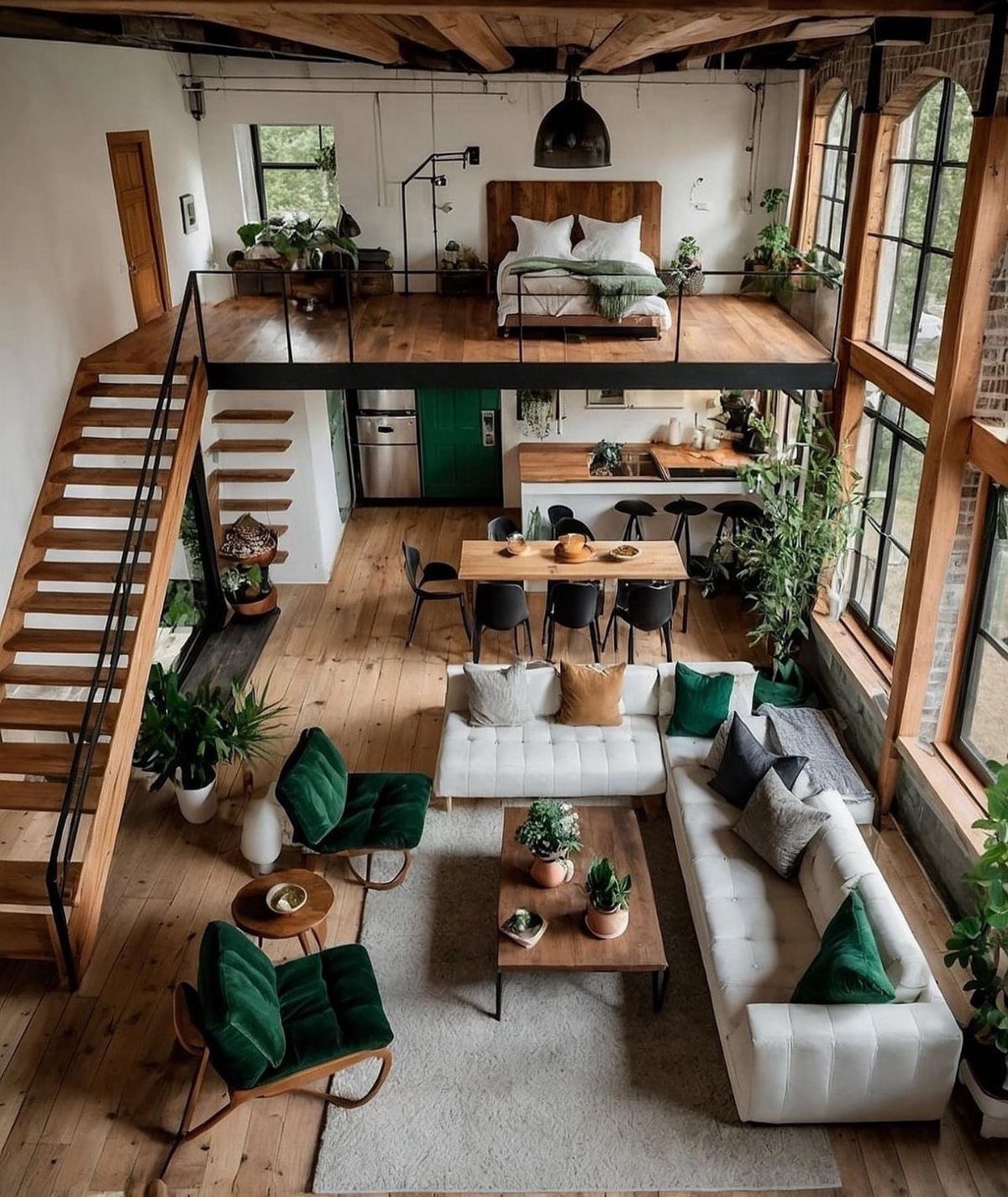
Converted lofts earn their appeal from height. A mezzanine bedroom lets the living, dining and kitchen areas share one tall, window-lit space instead of splitting it with walls.
Large arched industrial windows set the character, so I’d let them stay bare. Color works best in the furniture, like the green velvet chairs, against wood floors.
4. Nature-facing Dining Area
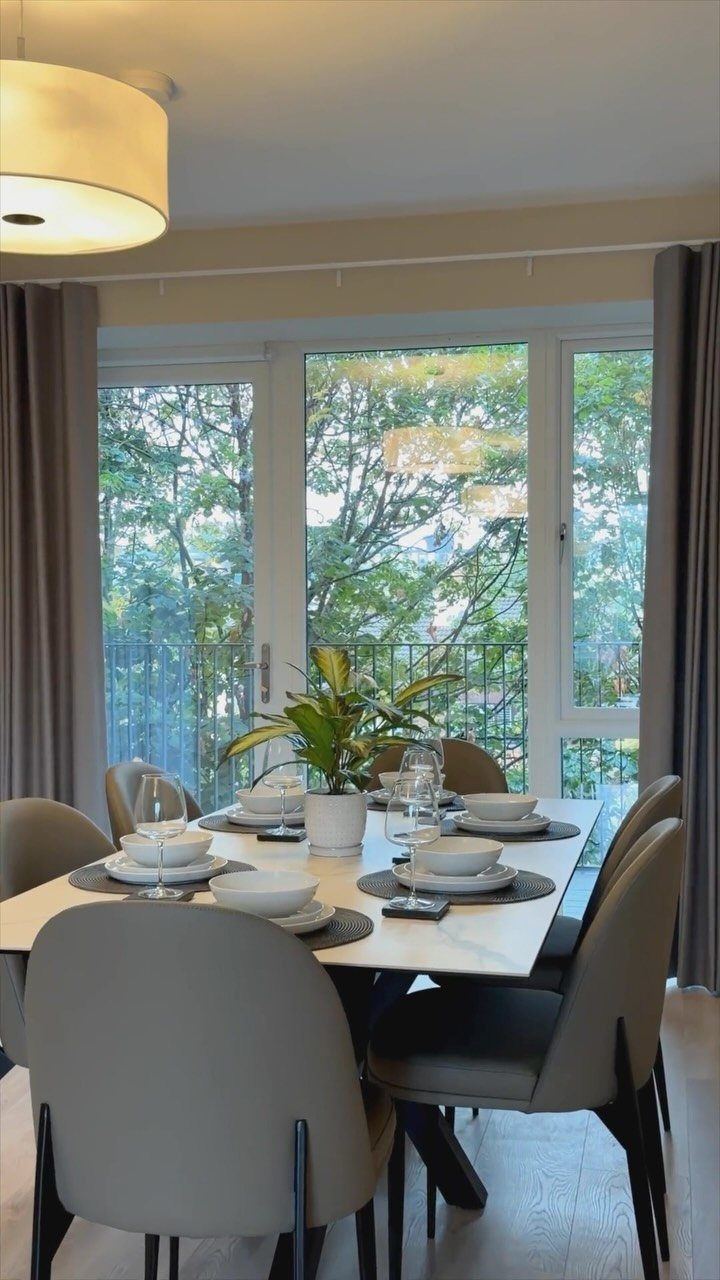
A dining table set directly in front of glass doors makes every meal feel like it’s outdoors. Put it as close to the windows as the doors allow, and leave the view uncluttered.
White dishes and one plant are all the table needs. Anything more starts to compete with the trees outside, and I’d rather the green do the decorating.
5. City Skyline Views
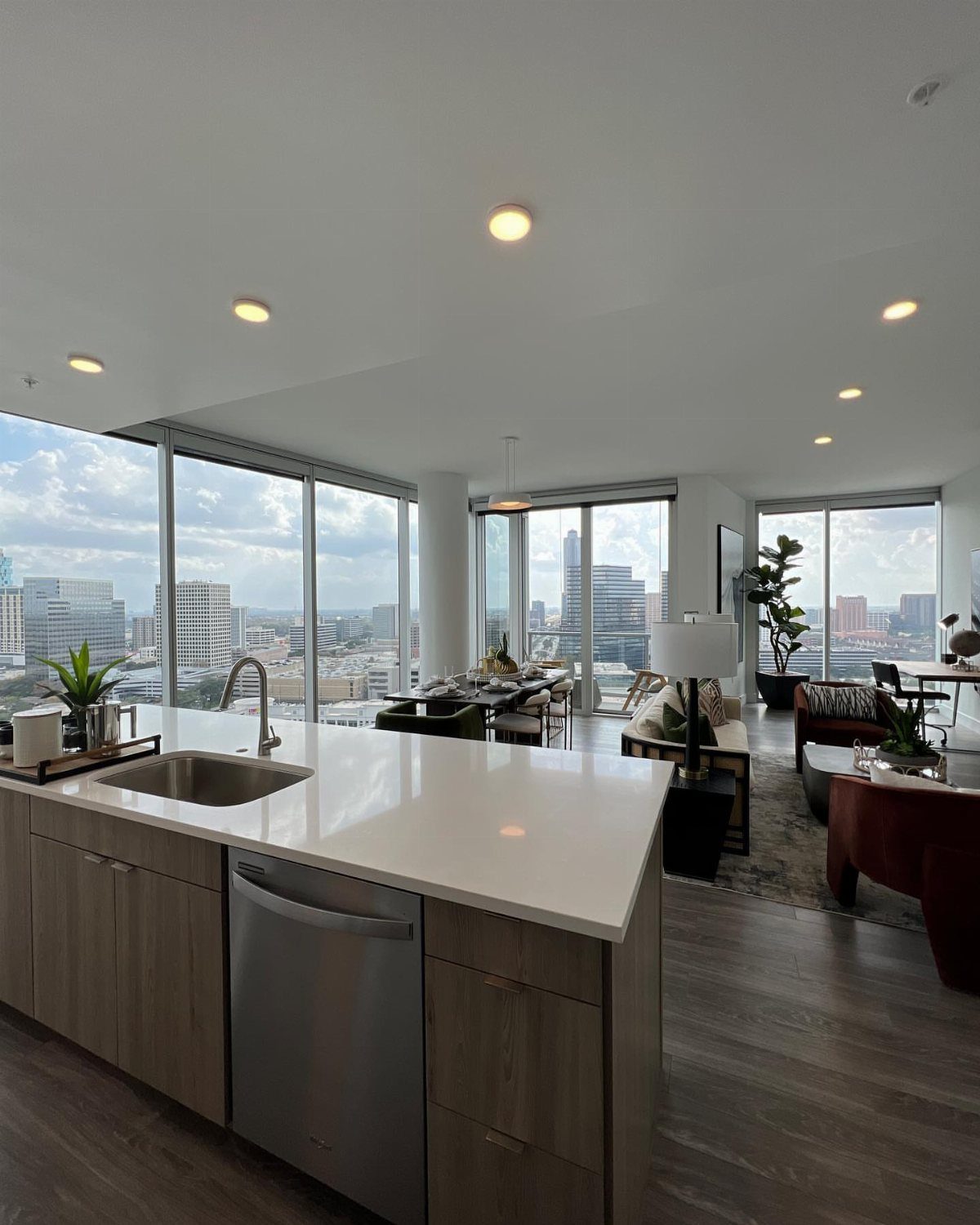
A dense skyline is the one thing you can’t buy at a furniture store, so the room should stay out of its way. An open-concept layout lets kitchen, dining and living areas all share the same view.
Face seating toward the glass, and pick furniture that sits low so it doesn’t block the line of sight.
6. Oceanfront Floor-to-ceiling Windows
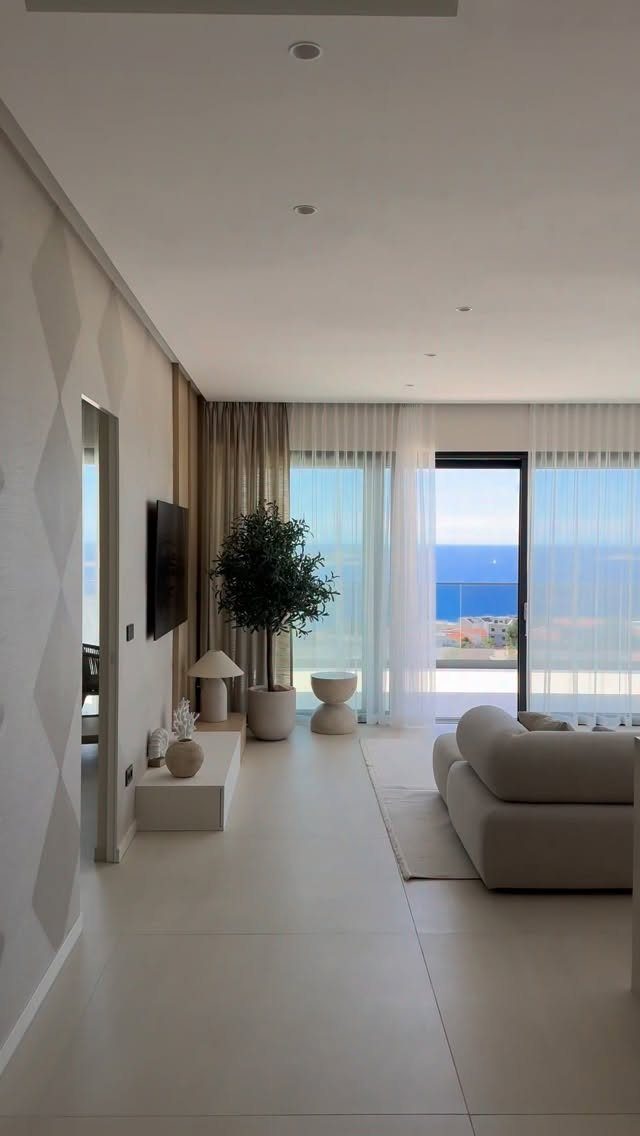
With open ocean outside, the room itself can say very little.
I’d keep the palette to neutrals and let the water supply the only strong color. Resist adding art on the walls beside the glass, since it will almost always lose to the view.
Managing Glare and Temperature
Big glass brings 3 problems: screen glare, fading, and temperature swings. Each has a fix that doesn’t mean closing the blinds all day.
Solar shades filter harsh light and keep the view intact, so they suit a desk or TV wall. Automated shades change position with the sun and keep afternoon glare off your screen without you touching a switch.
UV-blocking film cuts nearly all ultraviolet light and stays invisible once it’s on the glass.
That protects floors, furniture and artwork. Many films are removable, but ask your landlord before applying one.
Cellular shades or lined curtains cut heat loss in winter and slow down summer heat gain through the glass. For privacy, layer sheer panels for daytime with a room-darkening panel in the bedroom.
Finding Apartments
Start your search in urban neighborhoods known for modern architecture. New towers often have floor-to-ceiling glass as a standard feature.
Old industrial buildings are the other good source. Factories were designed to get daylight to workers, so converted warehouses often have tall, wide windows.
Search listings for "floor-to-ceiling windows" and check the photos for the actual glass, not just the view. A free apartment-locating service can also narrow the list, so ask what it covers before you book tours.
When you tour, go at the time of day you’ll be home most. Check which direction the windows face, since that decides how much glare and heat you’ll get.
Common Locations for Large Windows
In Chicago, 3 neighborhoods come up first for window-heavy apartments. Uptown mixes restored historic buildings with new construction, sits near Lake Michigan and Montrose Beach, and has a Red Line stop at Wilson for the commute downtown.
The West Loop is a former industrial district, so you’ll find converted warehouses beside new towers. South Loop is mostly high-rises with views of Grant Park, the lake and the skyline, and it’s central for anyone working downtown.
The year a building went up tends to decide what kind of windows you get. Older conversions tend toward big industrial frames, while newer towers lean on full glass walls.
If you want to shop specific buildings, The Mason at 180 N Ada St is a new building listing floor-to-ceiling windows.
Frequently Asked Questions
How important are windows in an apartment?
Windows have a big hand in your energy bills, and the Department of Energy puts their share of heating and cooling loss at roughly a quarter to a third.
A wall of glass brings in daylight and a view, though glare, faded fabrics and hot or cold spots come along with it.
Are floor-to-ceiling windows important?
They’re worth wanting if light and views top your list, but they aren’t a necessity. Glass from floor to ceiling lets in more daylight and gives a wider view of the skyline, trees or water.
Privacy is the cost, and how much of a problem it is depends on how close the neighbors sit; expect extra glare and heat to deal with too.





