Studio storage runs from baskets and vertical shelving to under-bed bins and a rented unit, and the one fact that picks your idea is how much floor you have left once the bed and sofa are in.
If the floor is gone, go up the wall or under the bed; if the closet is the bottleneck, a closet organizer fixes it from the inside.
When the room can’t hold something at all, a self-storage unit, which starts at 5 x 5 feet, takes the overflow.
1. Under-Bed Storage
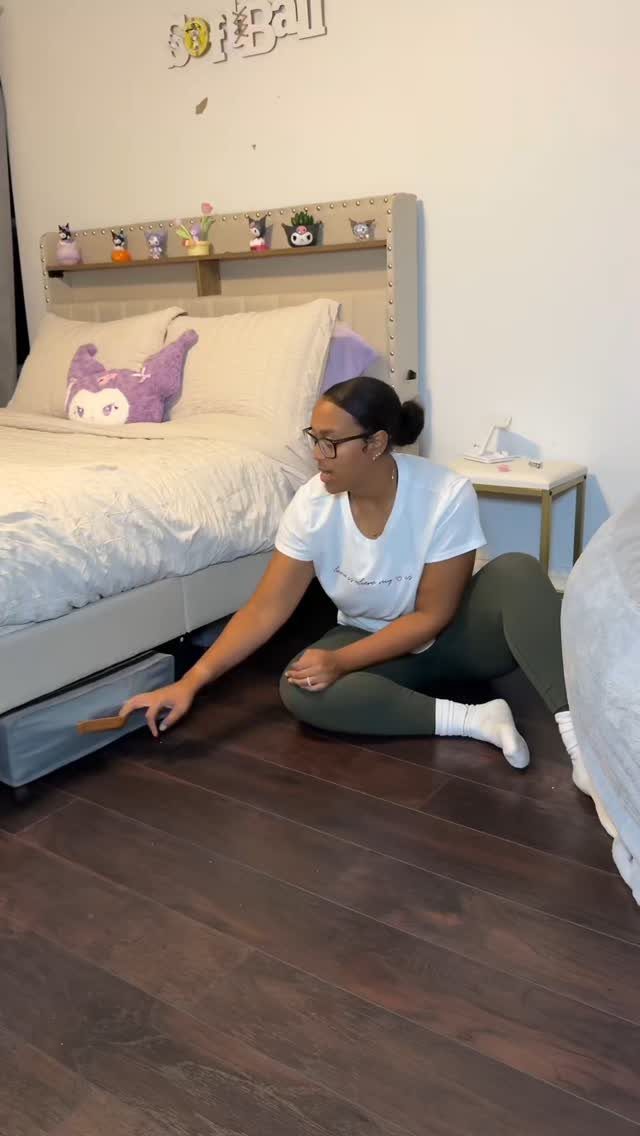
A studio bed is usually the biggest piece of furniture in the room, and the floor beneath it is the cheapest storage you will ever find.
Flat bins that slide out, or a bed frame with built-in drawers, keep off-season clothes, extra bedding and spare shoes out of sight.
Pick bins with a lid so dust stays out, and choose a pull handle you can grab without crawling on the floor. A bin you can’t reach easily is a bin you’ll stop using.
2. Storage Ottomans
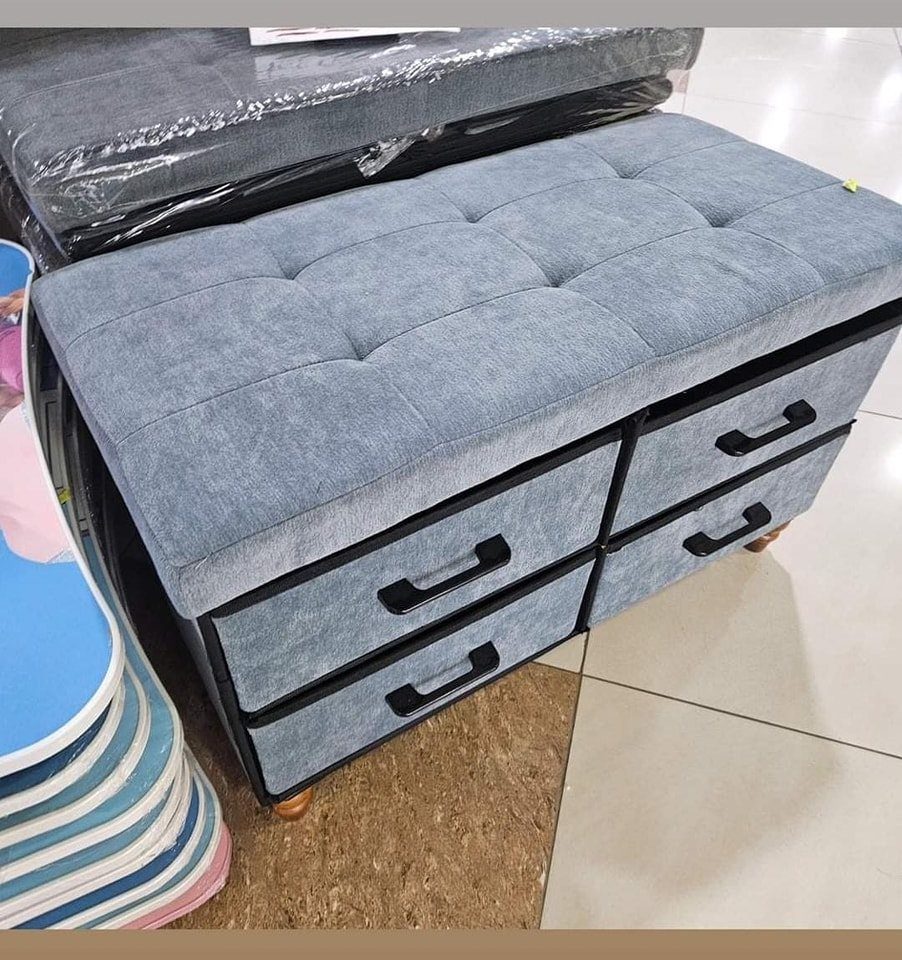
Four drawers in one ottoman is a lot of hidden storage for a footprint no bigger than a coffee table.
Parked at the foot of the bed, it holds folded tees, socks or spare linens, and it doubles as a place to sit while you put your shoes on.
I like the tufted top because it reads as furniture, not a storage unit. Measure the gap beside your mattress first, since drawers need room to pull all the way out.
3. Closet Organizers
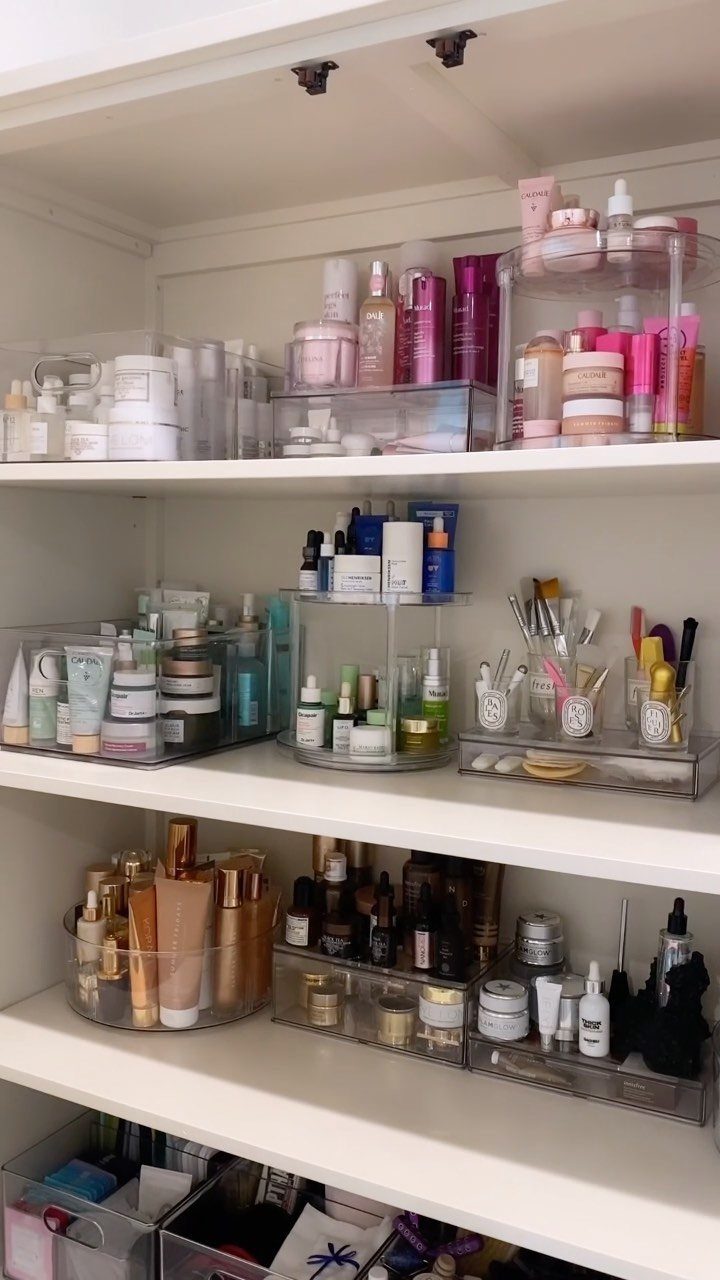
Clear acrylic bins, trays and a rotating carousel turn one closet shelf into a system where you can see everything at a glance.
Small items like skincare and makeup stop migrating across the bathroom or kitchen counter and live in one spot.
Group products by use, such as morning and evening, and give each group its own bin.
Tall bottles go in the carousel, flat items in trays. It’s a cheap upgrade, and you can build it in an afternoon.
4. Vertical Storage Solutions
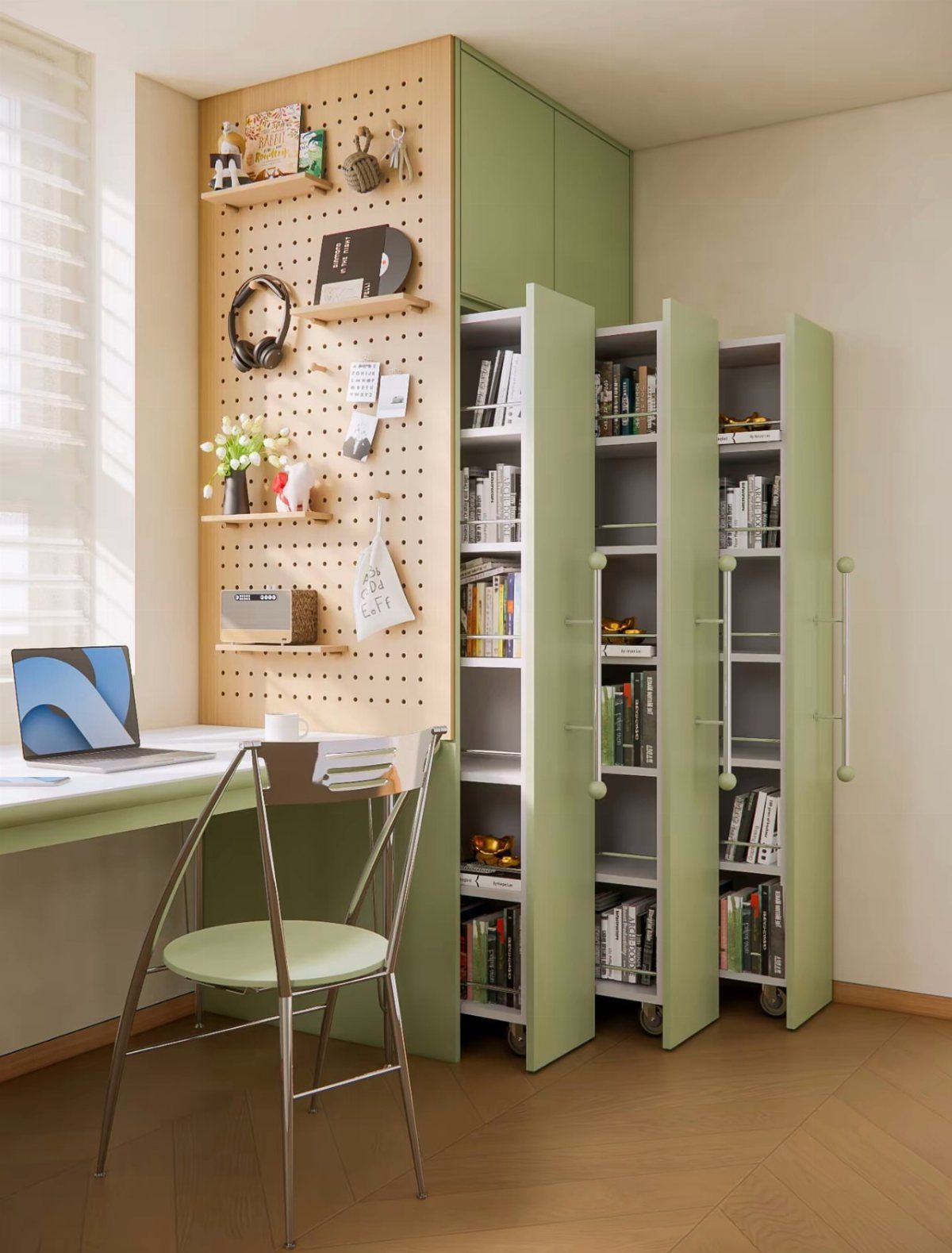
A pegboard on the wall paired with a tall, narrow cabinet moves your clutter off the floor and up where studios have unused space.
The pegboard takes shelves and hooks you can rearrange anytime, which suits a renter whose needs change.
I’d go with the narrow cabinet over a wide bookcase, because it holds a lot without eating floor area. Anchor tall pieces to the wall so they can’t tip.
The two things usually lacking in studio apartments are a discrete sleeping area and storage. By taking advantage of the 12-foot ceilings and creating a second floor, Maggie was able to create both in one brilliant move.
5. Use Baskets
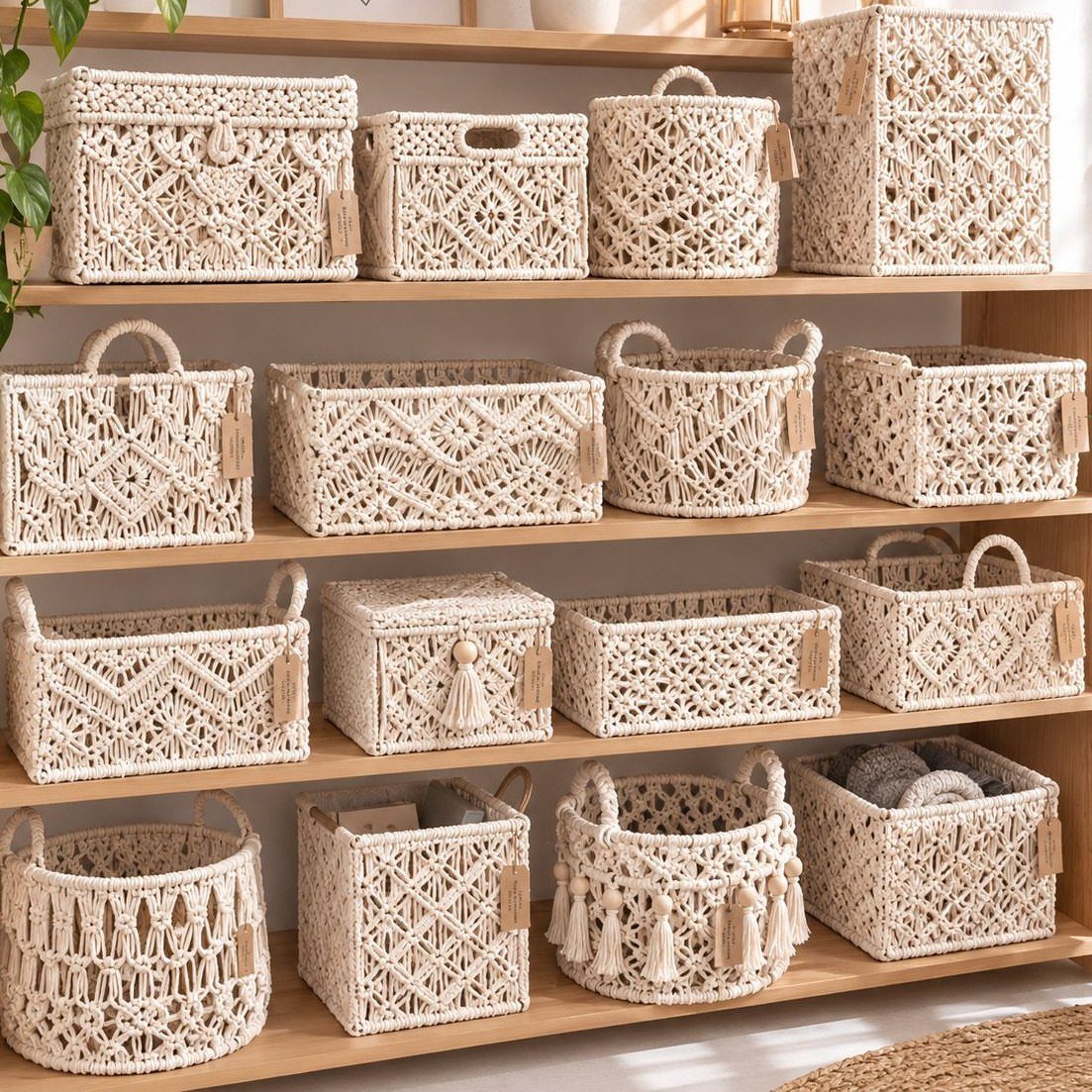
Woven baskets in a few sizes soften open shelving and hide the odds and ends that leave a studio looking busy. Stick to one color, like cream, so the shelves look calm instead of cluttered.
Put the big baskets on the bottom shelves for blankets or laundry, and the small ones up top for chargers and remotes.
Baskets without lids are quicker to use, but they only hide what’s inside if you fill them to a sensible height.
6. Over-the-Door Storage
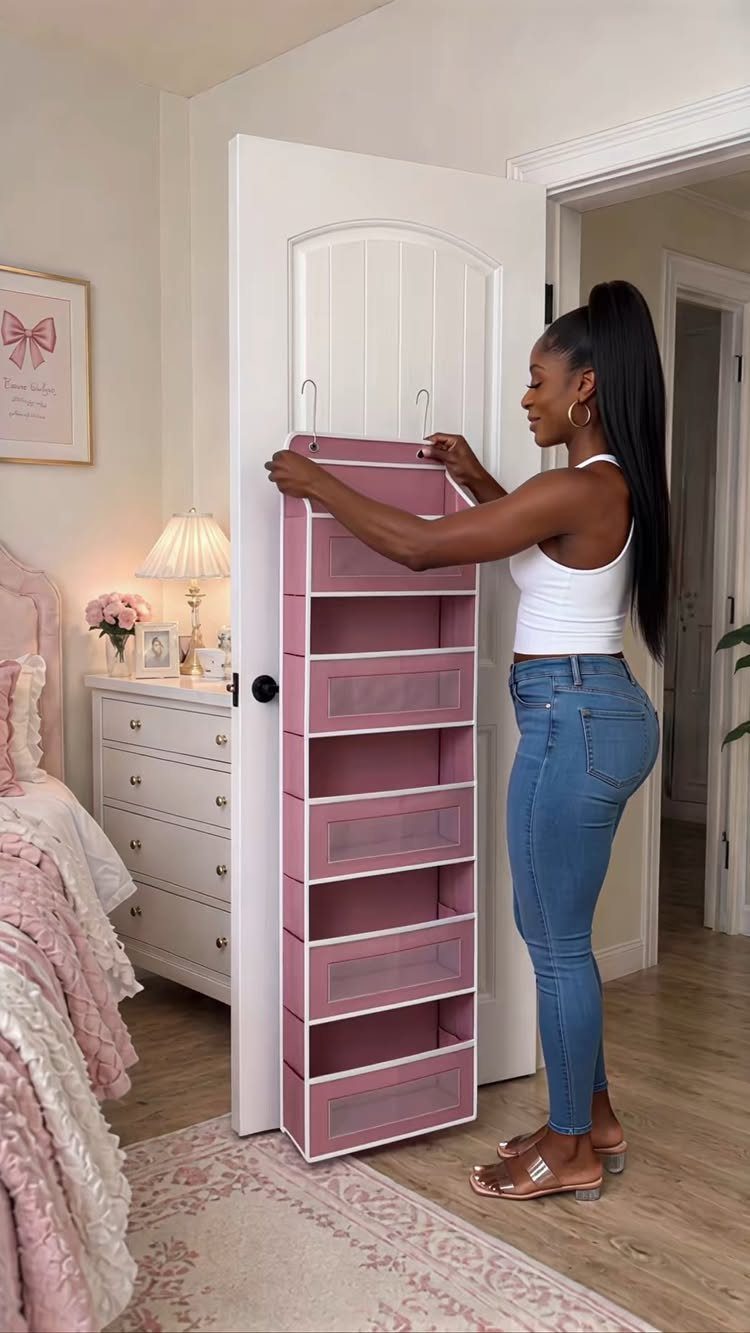
The back of a bedroom door is free real estate, and a hanging pocket organizer claims it without a single screw. Shoes are the obvious fit, yet the pockets also hold scarves, hats, cleaning supplies or toiletries.
Hang it over the top edge of the door and check that the door still closes fully. A fabric one in a color you like costs very little, and it’s an easy fix if you rent.
7. Pull-Down Tables
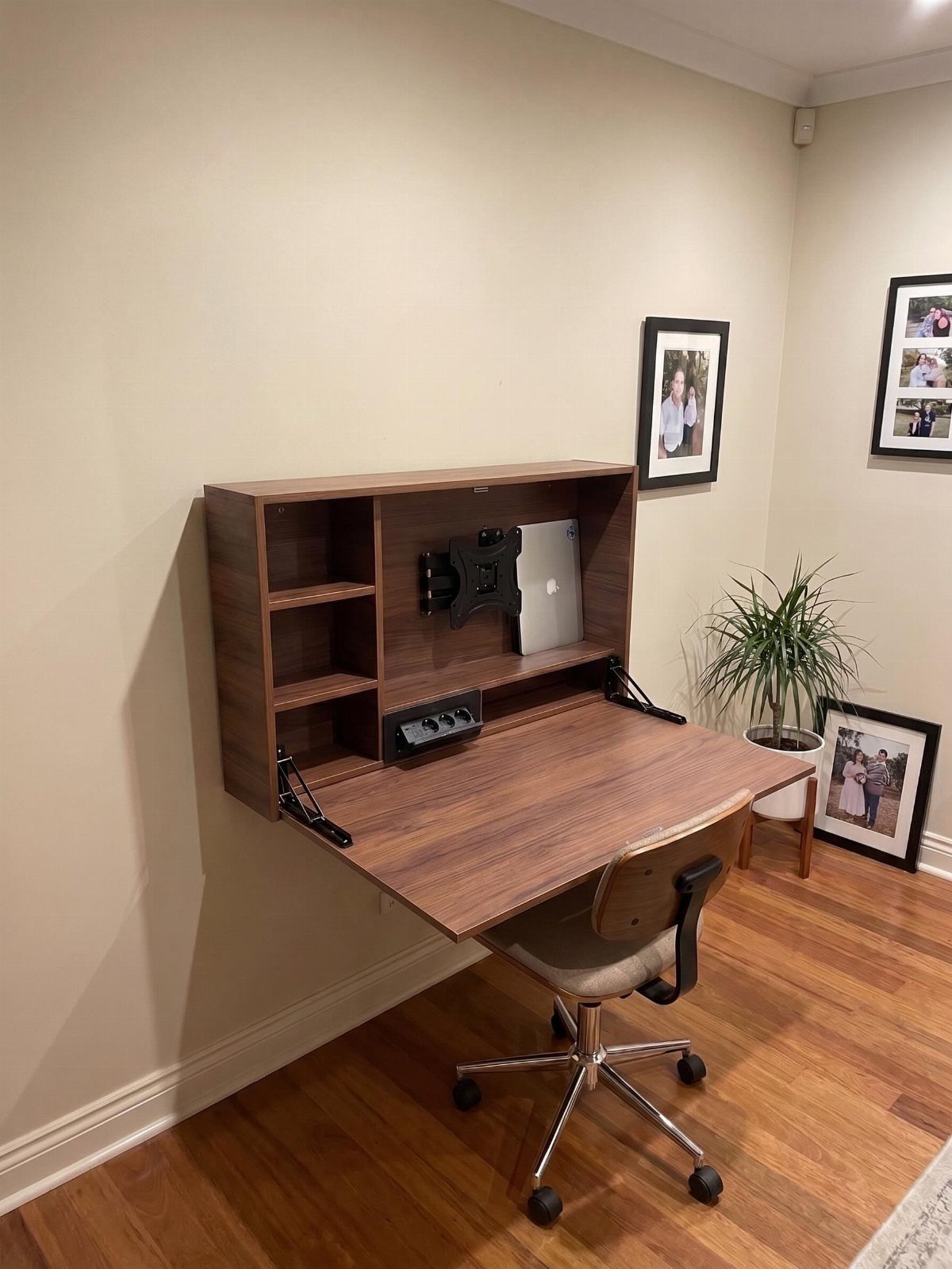
A wall-mounted wooden desk that folds up turns a studio wall into a workspace only when you need one.
With the shelving and monitor mount built in, the desk holds a screen and a few essentials, so you skip a bulky desk that would eat the floor all day.
I’d choose wood over a flimsy panel, since it looks like furniture when it’s closed. Mount it into studs, not drywall alone, and add a chair that tucks against the wall.
8. Under-Counter Storage
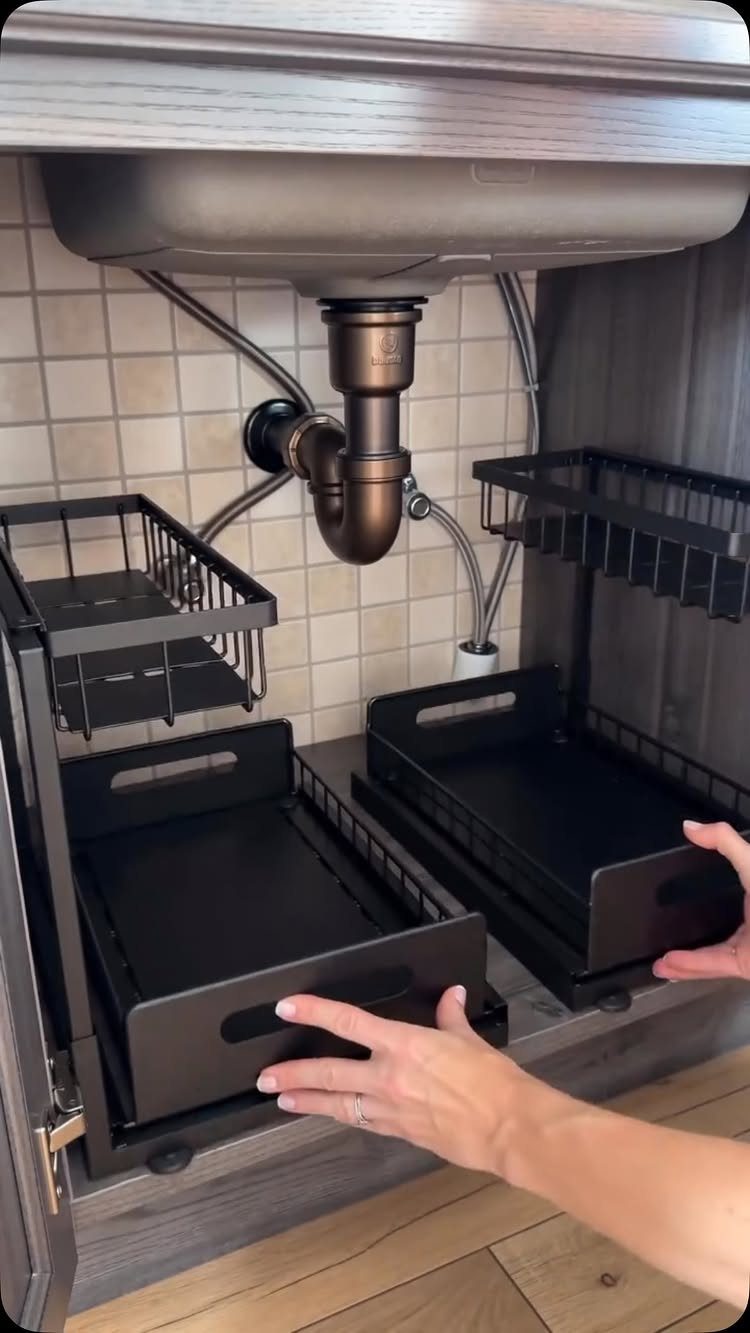
Under the sink is the most wasted cabinet in any studio apartment, because pipes cut it into awkward gaps. Black sliding drawers fix that by letting you pull everything out to you instead of reaching around the plumbing.
A 2-tier organizer, which the maker describes, stacks a second level above the first and roughly doubles what the same footprint holds.
Measure around the drain pipe before buying, and put heavy bottles on the lower tier. It works in a bathroom vanity just as well as a kitchen.
9. Rolling Carts
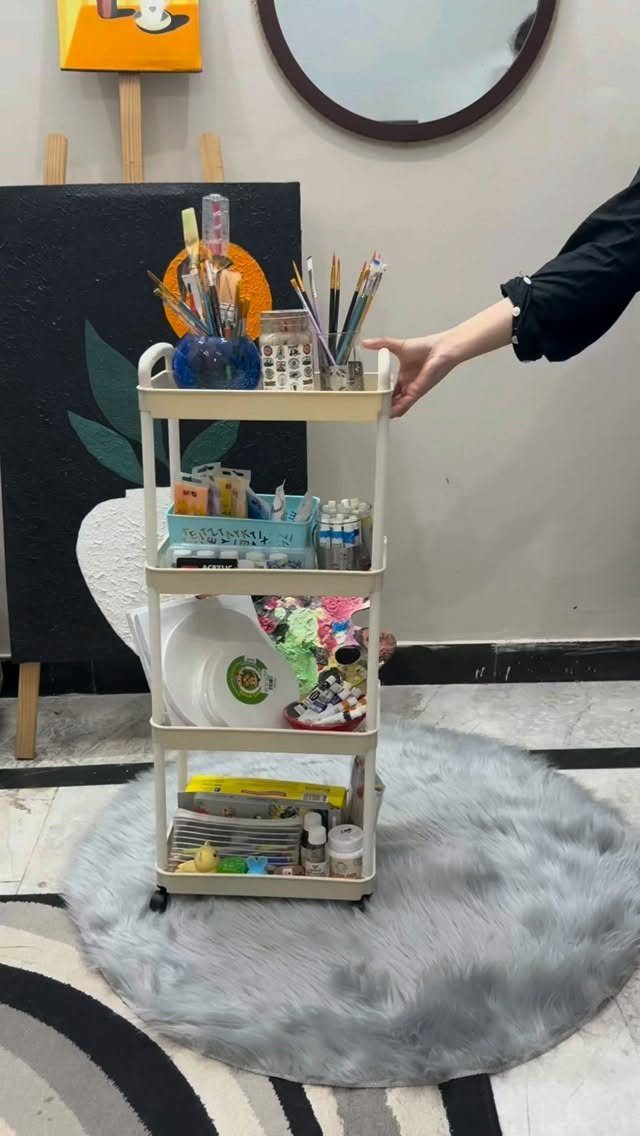
Art supplies, craft kits or a mini office all fit on a white three-tier rolling cart, and the wheels are the real selling point.
You can park it beside the sofa while you work, then push it into a corner when guests come.
I prefer three tiers over two, since the extra shelf keeps small items sorted instead of piled. Lock the wheels if your floor slopes, and load the heaviest things on the bottom shelf so it doesn’t wobble.
10. Shoe Storage Solutions
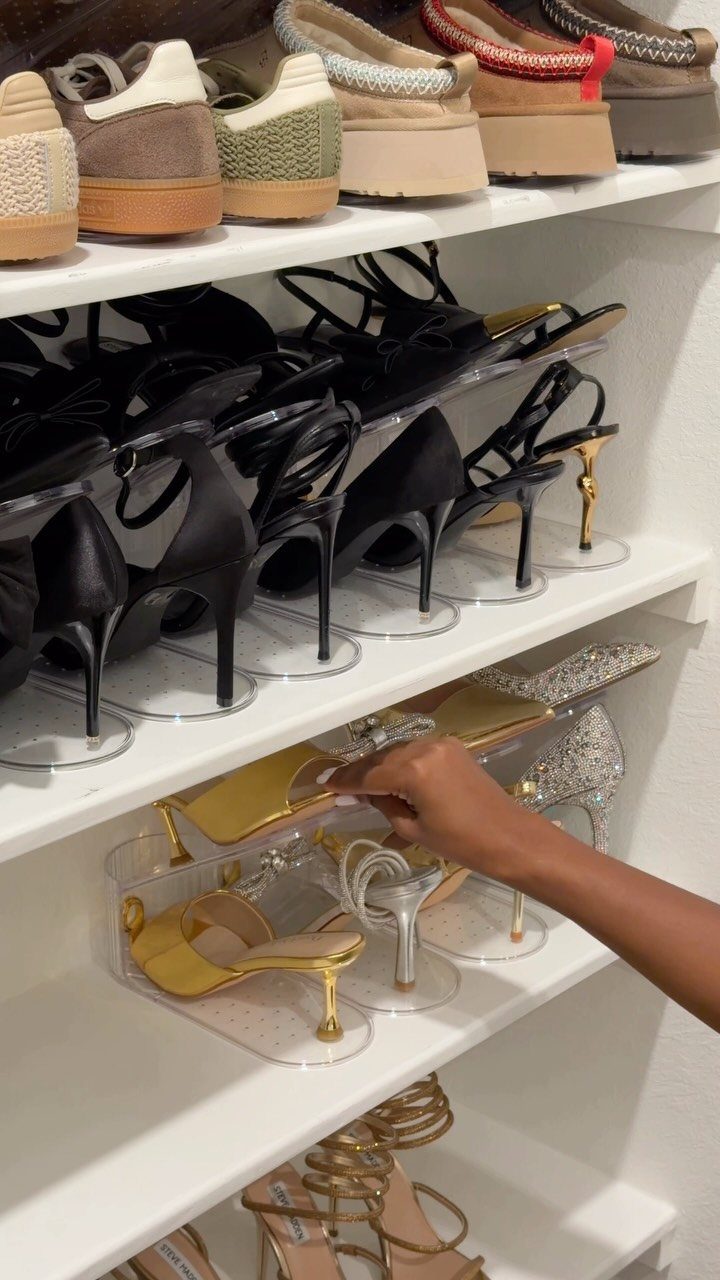
Clear acrylic organizers on closet shelves let each pair sit at a slight lift, so you can spot a favorite pair without digging. Heels like gold sandals stay visible and keep their shape instead of getting tossed in a pile.
Give every pair its own slot, with the everyday shoes at hand height. Clear works better than opaque here because you can see what you own.
Self Storage Options
A storage unit makes sense for the things a studio can’t hold no matter how well you organize: large furniture, sports equipment, seasonal decorations, hobby gear and mementos.
Units run from 5 x 5 feet up to 10 x 30 feet, and a studio dweller will almost always land at the small end.
Most facilities bill monthly, so you can rent for a single season or for years. Before signing, compare 3 things: security, climate control, and price.
Climate control matters most if you’re storing photos, wood furniture or fabric. Ask about month-to-month terms in writing, so you aren’t locked in when your needs change.
Furniture Selection
Oversized furniture eats a studio’s floor space faster than almost anything else.
Pieces on slim, open legs, like dining chairs and side tables, leave the floor visible, and shelving or nightstands with open sections let light pass through instead of stopping at a solid wall of wood.
Pieces that do more than one job earn their space. A sleeper sofa, a media console with drawers, and a lift-top coffee table each do 2 jobs, so you can own fewer pieces overall.
Some of the furniture you love will have to stay out of the room. Decide which ones matter most and function best, then skip the rest.
Seasonal Rotation
Keep what you use daily in the easiest spots to reach, and send everything else to the hard-to-reach places.
In winter, summer linens, shoes and clothes go to the least accessible spot. In summer, swap: heavy blankets, winter coats and boots go away.
See-through bins with large, legible labels on the front are my pick for off-season storage. You can stack them as high as you need and still find what you want without opening 3 lids.
Make the swap a twice-a-year habit, and use it to cull anything you didn’t touch all season.
Frequently Asked Questions
What are some clever storage ideas for small apartments?
Start with the floor under the bed, a storage ottoman, and vertical pieces like a pegboard with a tall, narrow cabinet.
Under-bed bins with lids hold off-season clothes and extra bedding, and an ottoman with drawers adds hidden storage in the footprint of a coffee table.
Going up the wall frees floor space, and a pegboard’s hooks and shelves can be rearranged when your needs change.
How large of a storage unit do I need for a 1 bedroom apartment?
A 5 x 5 foot unit is about the size of a small closet at 25 square feet, so it suits a studio’s overflow, like seasonal bins and a few boxes, better than a full one-bedroom.
Save the unit for things that truly won’t fit at home: a big armchair, skis or a bike, holiday bins, craft supplies, and boxes of keepsakes.
How to furnish a very small studio apartment?
Choose pieces that do 2 jobs, such as a sleeper sofa, a media console with drawers, or a lift-top coffee table.
Chairs and side tables on thin, open legs let you see the floor underneath, and that visible floor is what makes a small room read as bigger.
Bulky furniture swallows a studio faster than anything else, so pick the 2 or 3 pieces you’ll use daily and let the rest go.





